High Open Rate Doesn’t Mean People Are Reading Your Email
Jul 30, 2026
The principal at my kids’ school used to send what could only be described as a mini novel every time he emailed.
His heart was in the right place, he genuinely wanted to build rapport, but the messages were long, dense, and unstructured, with no bolding, no bullets, and important details like pupil-free days, ice block fundraisers, or “wear a yellow shirt” days buried deep inside marathon paragraphs.
And yet, people opened his emails because they were afraid of missing something important.
What’s really happening
Decades of usability research show that most people don’t read digital content line by line; they scan it, hunting for relevance, cues, and potential consequences (I’m sure you glanced at the image below before finishing this sentence!!)
Studies from Nielsen Norman Group consistently find that only around 16% of users read online content word for word, while nearly 79% scan, following predictable visual patterns in search of what affects them directly.
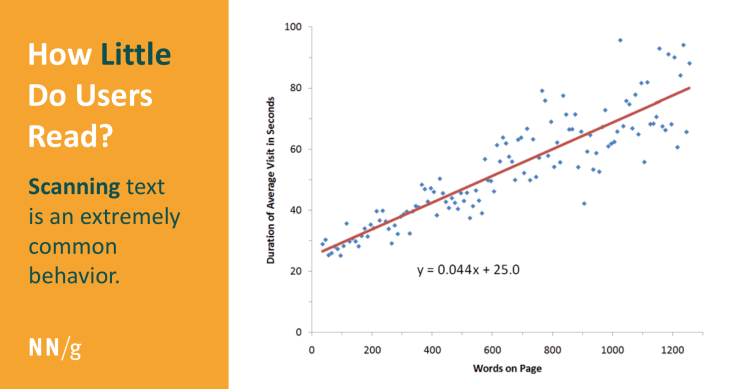
In practice, this means attention isn’t earned by effort or length, but by perceived importance, which explains why long emails still get opened when people suspect there’s something consequential hidden somewhere inside them.
The behaviour isn’t driven by interest but by risk.
And that isn't something good for your brand.
Why urgency beats interest
Behavioural economics explains this through loss aversion, a principle identified by Daniel Kahneman and Amos Tversky, showing that losses feel psychologically about twice as powerful as gains of the same size.
Missing a school event, forgetting a costume day, or turning up to 7am soccer training that was cancelled the night before carries social and emotional costs, and the brain treats those costs as urgent threats rather than minor inconveniences.
That’s why people often say they “don’t have time,” yet still manage to scroll social media for hours or listen to a three-hour podcast, because when something feels personally relevant or costly to ignore, attention suddenly becomes available.
What this means for communication
If you’re solving a real, immediate problem, your audience will open your message, scan it quickly, and act on the part that matters.
Research from Microsoft on digital attention shows that the average human attention span has dropped to around 8 seconds, which means clarity, hierarchy, and relevance now matter far more than completeness or thorough explanation.
Eye-tracking research helps explain why. When people land on a page, they don’t move through it line by line; their eyes jump, cluster, and loop around elements that signal importance, relevance, or risk, often following familiar scanning patterns rather than the intended reading order.
Heatmaps and gaze plots consistently show attention concentrating on headings, bolded phrases, links, and visual anchors, while large blocks of uninterrupted text are either skimmed superficially or skipped altogether.
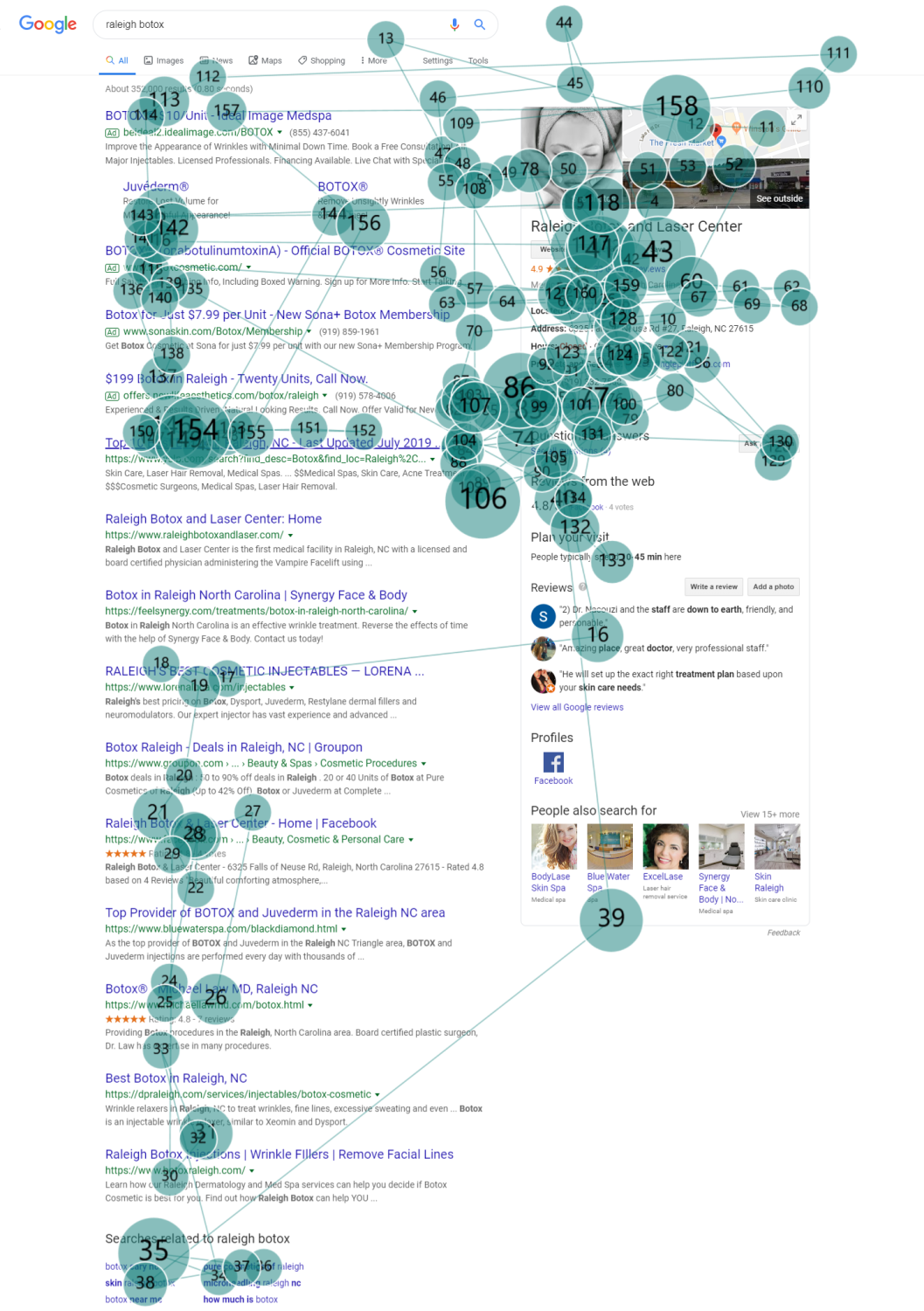
Visitors are visually hunting for confirmation that they won’t miss something important, which is why structure does so much of the cognitive work before a single word is properly read.
This is also why a useful discipline is to cut what you’ve written by at least 25%, then ask whether each remaining sentence helps the reader immediately identify what matters now, rather than carefully explaining everything that might matter eventually.
Clarity removes friction.
So how do you know whether people are actually reading your emails?
The answer is in what happens next: replies coming back, people showing up, links being clicked, decisions being made.
When there’s no movement, no response, and no follow-through, it’s often not a motivation problem or a timing issue, but a signal that the message never truly landed.
So what signal are you really tracking: opens or outcomes?
Do you have a sales or landing page?
Tired of getting traffic but not enough sales?
Then this is for you.
Conversion Magic: our self-paced course for entrepreneurs wanting to scale their digital offers.
Packed with powerful sales & marketing psychology tactics (from running millions of $ in ads) proven to increase conversions.